Types of Fundraising
Public Fundraising
Public fundraising in Aotearoa New Zealand takes place across a range of settings - from residential neighbourhoods and town centres to shopping centres and over the phone. Each type of fundraising has its own permissions and standards, designed to keep fundraisers and the public safe, ensure transparency, and maintain public trust in charitable giving.
Public fundraising plays an important role in connecting people with causes they care about. It gives New Zealanders the opportunity to take action, support charities that make a difference, and help create lasting change in their local communities and beyond.
See the positive impact you can be apart of
Received by charities via face-to-face fundraising in 2025
New Zealanders signed up to regularly support a charity in 2025
People have pledged to donate over the last 10 years
Received by chosen causes through this type of fundraising
Face-to-face fundraising helps charities create meaningful change - supporting some of the most important work happening in Aotearoa New Zealand and around the world.
It provides people with a trusted way to contribute financially to charities, allowing them to deliver vital services for local communities and to tackle major social, environmental, and global challenges.
Face-to-face fundraising is one of the most personal and effective ways for people to engage with a cause. It happens when a professional fundraiser talks directly to a member of the public - answering questions, building understanding, and helping them set up a regular donation to support a charity they care about.
All charities that carry out face-to-face fundraising should be members of the PFRA and are committed to following our Code of Conduct, which ensures transparency, professionalism, and safeguards public trust in charitable giving.
Face-to-face fundraising involves direct, in-person conversations between fundraisers and members of the public to raise money or awareness for charities. This can include setting up regular donations by means of credit/debit card or direct debit payments, signing petitions (also known as two-step fundraising), or raising awareness about a cause.
It takes place in a variety of settings - such as public streets, residential neighbourhoods, businesses, or private sites like shopping centres.
Charity Street Trading is where small items are sold to raise funds or awareness for a charity.
This does not include one-off Charity Street Appeals or cash collections, which are managed directly by local councils.
PFRA members and their fundraisers are held accountable to our Code of Conduct, which is designed to ensure transparency, uphold high professional standards, and protect public trust and confidence in charitable giving.
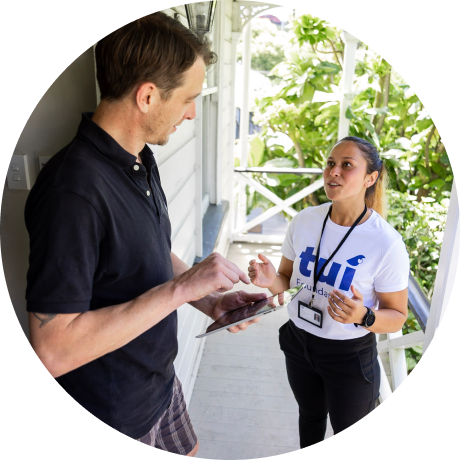
Door-to-door fundraising takes place in residential areas, where fundraisers speak with people at their doorsteps about supporting a charity. These fundraisers are trained to represent charities professionally, answer questions, and help supporters set up regular donations for ongoing support.
Street site fundraising takes place in public areas managed by local councils - for example, on footpaths or in town centres. Fundraisers speak with people about supporting a charity and help them set up regular donations.
The PFRA works with local councils to license and monitor these sites, ensuring they are safe for both fundraisers and the public, and that all local bylaws and site conditions are met. This is different from Charity Street Appeals, which are one-off fundraising days managed directly with local councils and usually involve selling items or collecting cash donations.
Working with CouncilsPrivate site fundraising takes place on privately owned property, such as shopping centres or supermarkets. Fundraisers speak with people about supporting a charity and help them set up regular donations. These sites are coordinated directly with the property owner or manager, and fundraisers must have permission before operating there.
The PFRA supports this process by helping members understand and meet site requirements, ensuring fundraising is carried out safely, professionally, and in line with the expectations of site owners and the public.
Fundraisers of today
-
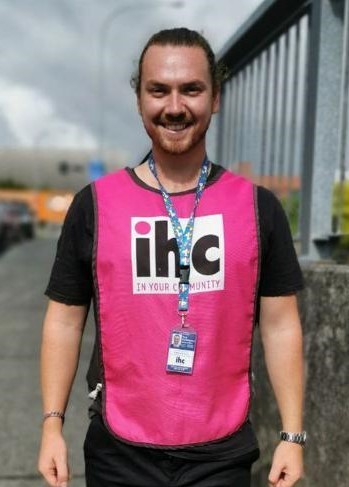
“When I look back on my life, I want to know I've made a positive impact in someone's life. It's all about making a difference.”
— Troy
-
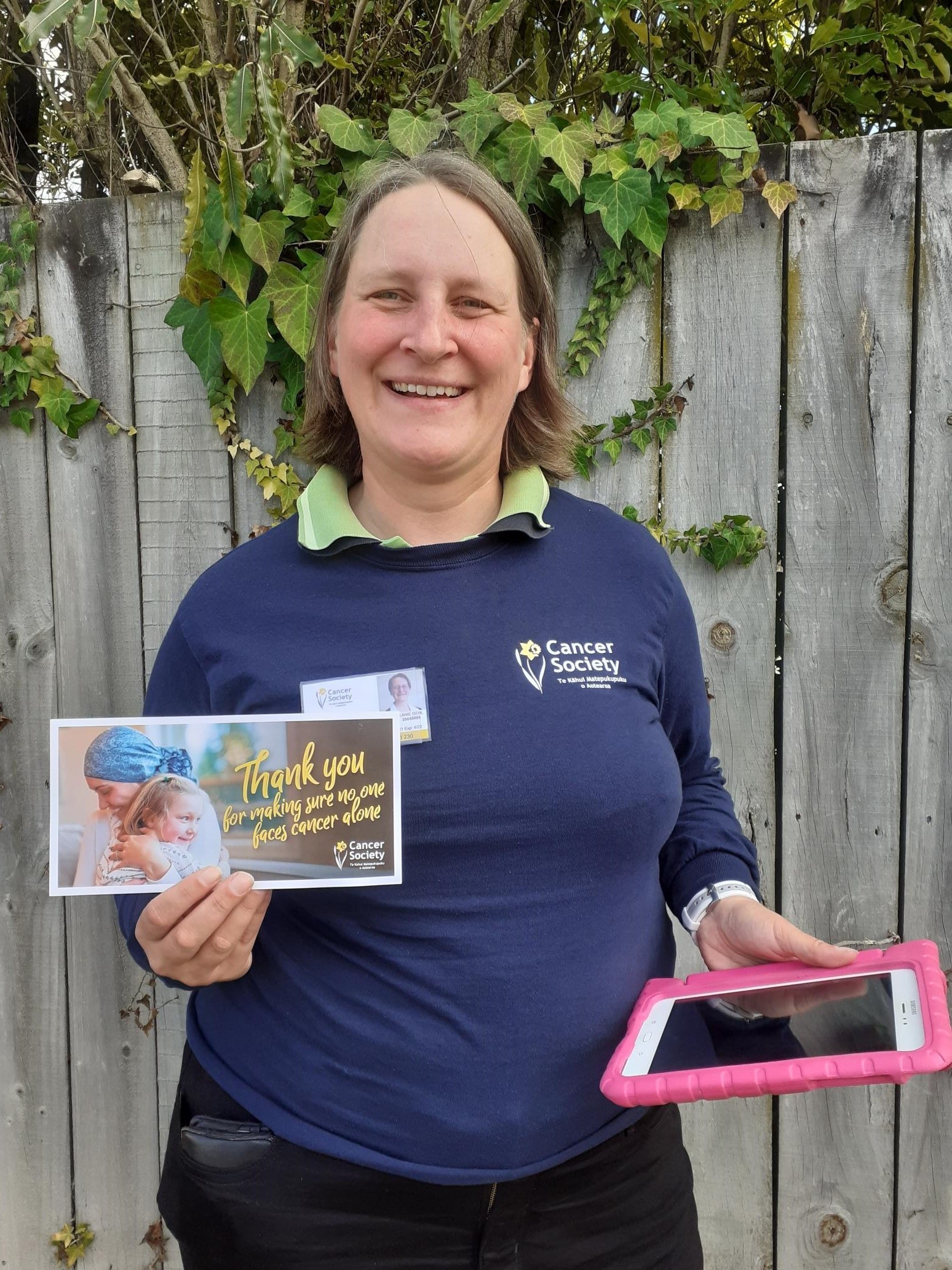
“I love connecting with people, and making a real difference to charities I represent.”
— Melanie
-
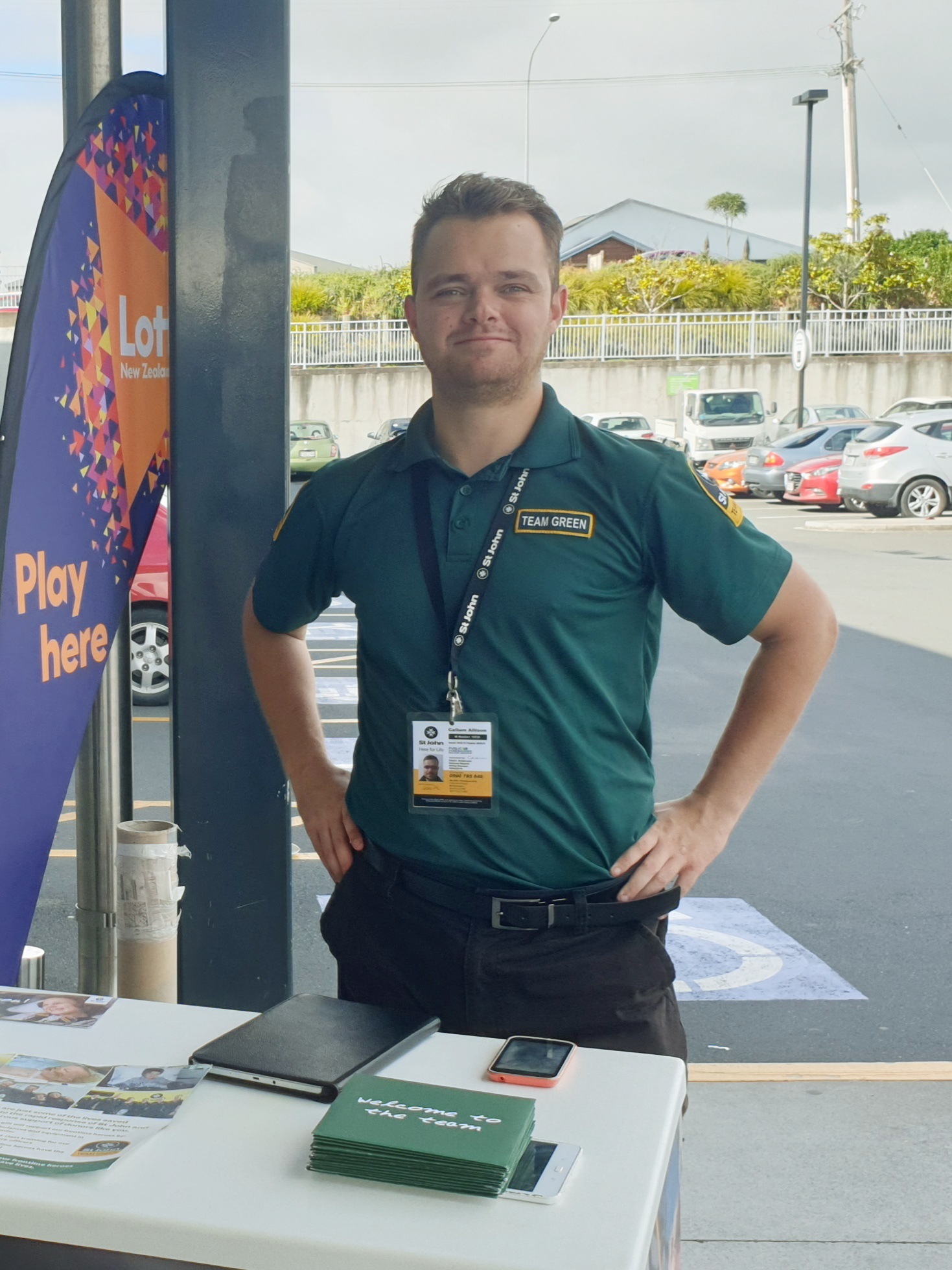
“I started fundraising because of the role it plays in changing people's lives and how collectively we can make this world a better place to live.”
— Callum
-
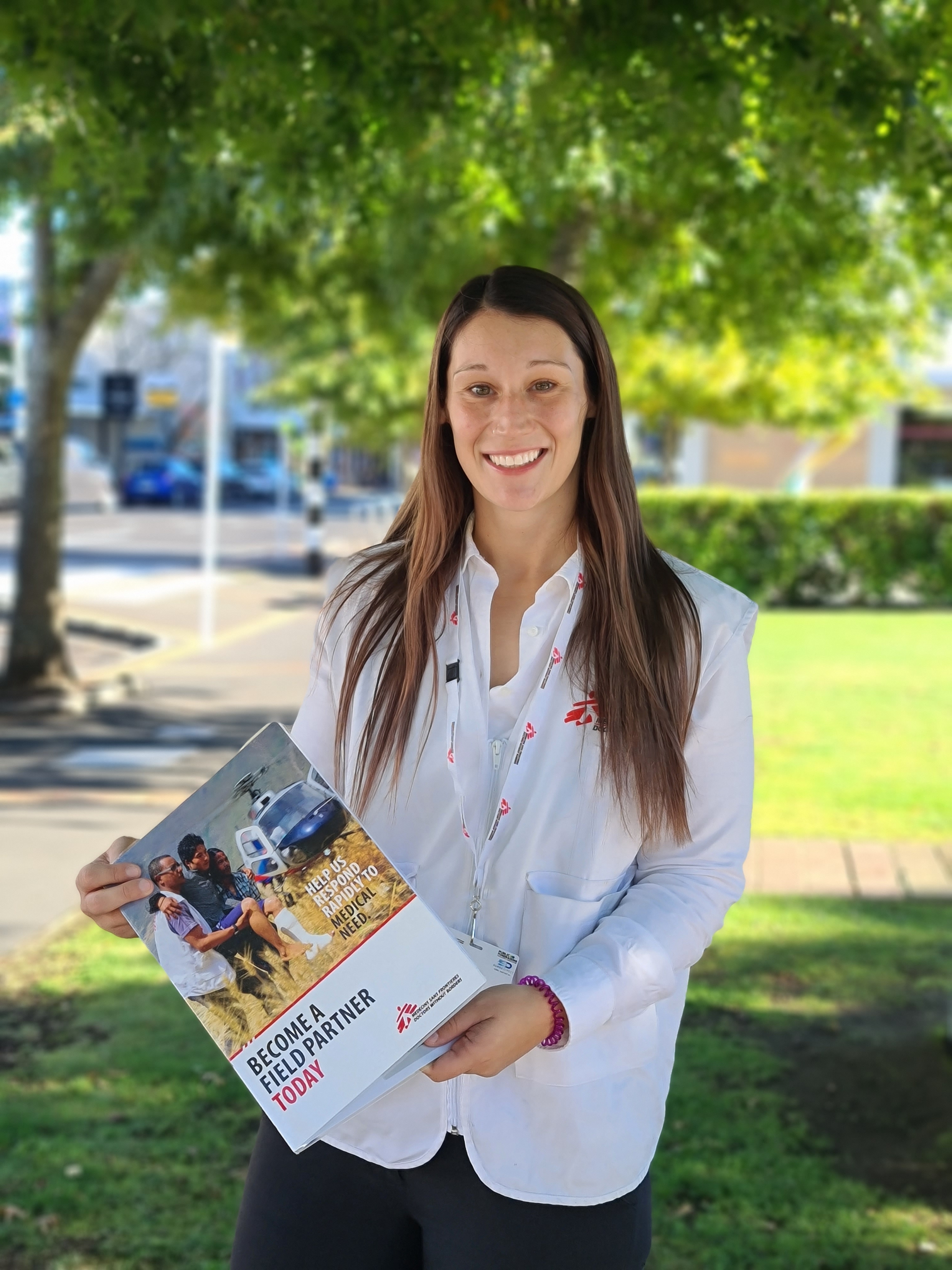
“I love having good conversations with good people, and I love being able to make a difference.”
— Jess